Jobs
Housekeeping Job Opportunities: Growth, Benefits, and How to Apply!
Find out about housekeeping job openings, common perks, career growth in cleaning, and tips for your CV. See how to apply and what makes housekeeping roles in South Africa unique. Read more now.
Advertisement
Hotels, hospitals or private homes, discover where you fit best
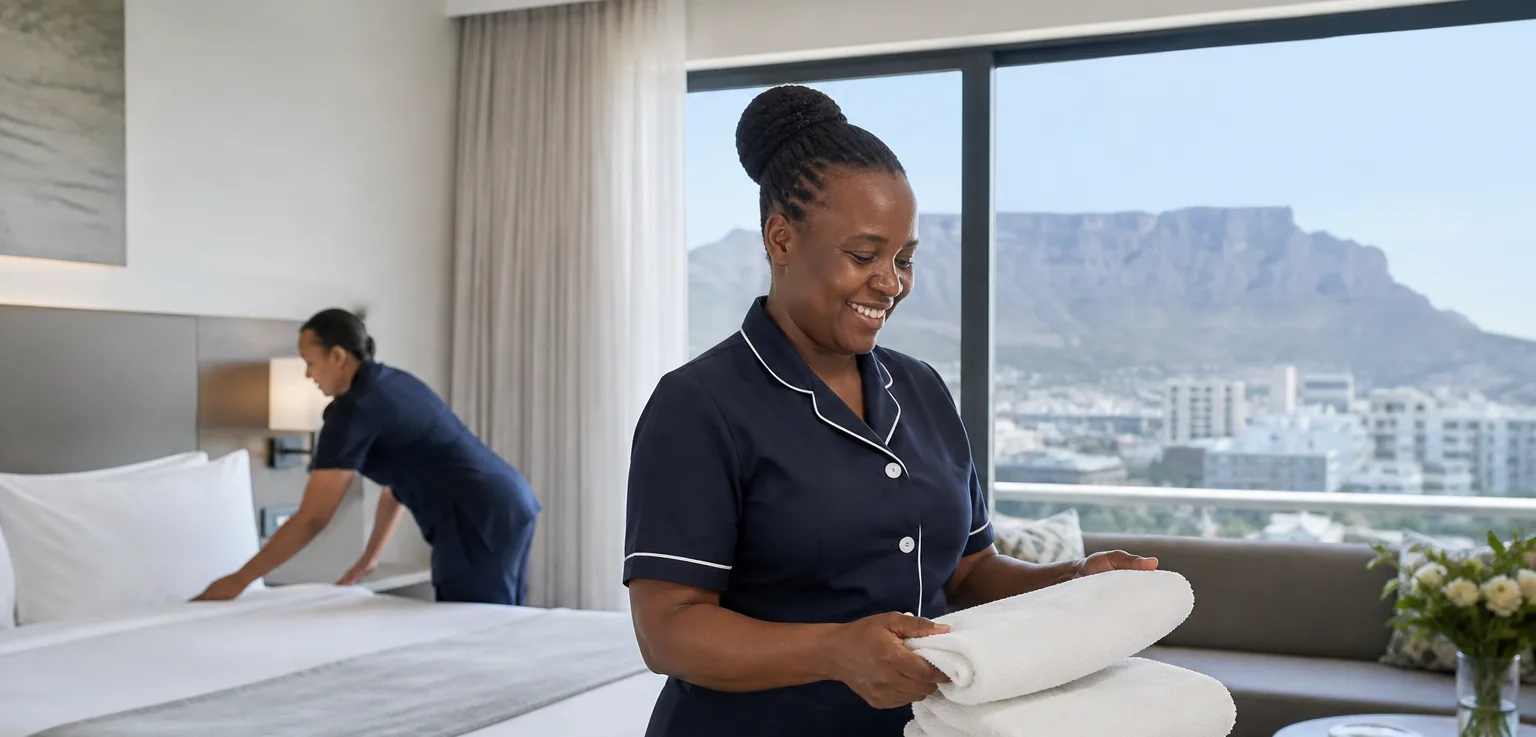
Many people look for steady work that not only pays the bills but also offers personal satisfaction and room for growth. Housekeeping is a sector that attracts those who appreciate keeping spaces tidy and enjoy making a difference in daily routines. In South Africa, housekeeping jobs remain stable and offer various work environments, from hotels and hospitals to offices and private homes.
The cleaning and housekeeping sector is unique for its consistently high demand across cities, suburbs, and towns. Whether working as an attendant, supervisor, or manager, there’s a role for every level of experience and ambition. This article explores what you can expect if you pursue a housekeeping job, which benefits commonly come with these roles, which jobs are typical in the sector, and how to maximise your chances of landing the right position for you.
If you want to know what the South African housekeeping sector offers, how to apply, and the core qualities that employers value, this guide breaks it down. You’ll also find out how to stand out and build a CV that highlights your unique strengths.

Growth vs. Stability: How Housekeeping Supports Different Career Paths
The demand for reliable cleaning services is driven by ongoing needs in hospitality, healthcare, retail, and residential settings. Housekeeping jobs remain crucial no matter the economic climate, making the sector ideal for those seeking a stable long-term career. Unlike some fields that fluctuate seasonally or with broader market shifts, cleaning roles tend to be more consistent year-round.
Employers often value experience but also provide many entry-level positions, making housekeeping accessible. There are advancement paths for those aiming to grow, such as progressing from attendant to supervisor to manager, or moving into specialised roles focused on budget, operations, or training. Continuous learning is encouraged, especially for keeping up with newer cleaning techniques and products.
While the pace is steady, the importance of effective housekeeping has never faded. Clean, well-maintained spaces are essential in settings ranging from hotels and offices to hospitals and homes. Those who enjoy structured environments, clear routines, and seeing the immediate results of their work often thrive in these jobs.
Successful candidates are usually detail-oriented, committed to high standards, and able to work independently or as part of a team. Many roles don’t require advanced qualifications, making housekeeping ideal for those looking to enter the workforce quickly.
Support and Perks: Benefits Available in the Cleaning and Housekeeping Sector
Housekeeping jobs frequently come with benefits that go beyond pay. Some employers offer health coverage, on-the-job meals, subsidised transport, training, and overtime pay. These perks can vary by workplace, contract, and location, but most roles provide some additional support or recognition.
| Benefit | Availability | Typical Conditions |
|---|---|---|
| Paid leave | Often included | Most full-time contracts |
| Medical aid or allowance | Sometimes | Large organisations or permanent staff |
| Training and development | Frequently | Entry-level and supervisory staff |
| Uniforms or equipment | Usually provided | Hotels, hospitals, cleaning companies |
| Staff meals | Possible | Larger facilities, restaurants, hotels |
| Transport allowance | Sometimes | Depending on location or shift hours |
Benefits hinge on the employer’s size, contract type, and work location. Temporary and part-time roles tend to offer fewer perks, but many workplaces find ways to recognise dedicated staff. Bonuses may be linked to performance or special occasions.
Professional training is one area where housekeeping roles stand out. Many employers offer short courses or on-the-job guidance, which can help you advance faster or qualify for more specialised positions. Uniforms and basic cleaning equipment are typically provided at no cost to the employee, especially in larger settings.
Employee recognition programmes, such as ‘Employee of the Month’ or reward incentives for attendance and performance, help maintain morale and foster a positive workplace culture. Enjoying your work environment and feeling valued are underrated but significant benefits in this sector.
Moving Up: Roles and Responsibilities Housekeeping Workers Can Find
Housekeeping is more than just cleaning rooms. The sector covers a broad range of responsibilities, from daily tasks on the ground to overseeing entire teams. Here are typical housekeeping jobs and their main focus areas.
- Housekeeping Attendant: Cleans guest rooms, corridors, and public spaces, restocks supplies, and ensures presentation standards.
- Housekeeping Supervisor: Oversees daily cleaning routines, manages teams of attendants, checks quality of work, and liaises with other department heads.
- Executive Housekeeper: Plans operations, orders supplies, manages budgets, and ensures staff training and high standards are maintained.
- Food & Housekeeping Services Manager: Combines the supervision of cleaning operations with overseeing food service, especially in hospitals or care settings.
- Contract Manager: Runs housekeeping for larger sites, such as office buildings or hotels, ensuring client satisfaction and managing multiple teams.
- Housekeeper (Private/Home): Cleans and organises private residencies, may assist with shopping or errands, and occasionally manages household schedules.
- Specialised Cleaning Staff: Handles laundry, carpets, or deep cleaning tasks that need particular attention or skill.
- Front-of-House Cleaner: Maintains communal or public-facing areas, including reception spaces, lobbies, or restrooms in commercial buildings.
Each role varies in complexity, scope, and required qualifications. Entry-level positions may require little more than a positive attitude, while managerial posts often call for previous experience and some formal training.
Housekeeping offers chances for progression. Those who prove themselves reliable and thorough often move into supervisory positions over time, giving them more responsibility and higher earning potential. Temporary contracts can sometimes lead to permanent roles for workers who stand out.
For those interested in the hospitality or healthcare sectors but lacking specialist skills, these positions provide a valuable first step with opportunities to learn and grow on the job. Many employers value a willingness to work hard and learn new skills.
Some roles, such as supervisors, may involve rostering shifts and dealing with customer concerns, which teaches time management and communication — transferable skills for other careers later on.
Getting Your Foot in the Door: How to Apply for Housekeeping Roles
Applying for jobs in this sector usually begins with a search on a job portal or recruitment website. Whether you’re new to the field or have plenty of experience, preparing a focused, error-free CV gives you an advantage.
- Visit a reputable job portal and search for housekeeping roles in your region. Use category filters for specifics like locations, full-time/part-time options, or roles such as “attendant” or “supervisor”.
- Review the job requirements and ensure your CV matches the listed skills and experience. Adjust your application to reflect any relevant previous roles, training, or references.
- Prepare a short, clear cover letter introducing yourself, explaining what attracts you to the position, and why you would be an asset. This is your chance to stand out from other candidates.
- For jobs with the “Easy Apply” function, your CV may be submitted directly through the platform. For others, you might need to email the employer or use an application portal.
- Once you’ve applied, keep track of your submissions and check regularly for updates. Employers may conduct interviews in person, over the phone, or via video call.
- Follow up politely if you don’t hear back within a reasonable period. Show professionalism and enthusiasm for the job, even during the waiting process.
- For higher-level roles, such as management, you might need to provide additional documentation, like proof of previous employment or qualifications.
Patience is key — many employers receive dozens of applications for every role, but a standout CV and well-prepared references can make the difference. Communicate clearly and be honest about your experience and availability.

Stepping Up: How to Stand Out in Housekeeping Applications
Starting with a neat, structured CV gives you a solid foundation. List your experience in bullet points, focusing on relevant tasks such as cleaning, stock management, guest service, or teamwork.
Arrive at interviews or trial shifts on time and dress appropriately. Showing that you take the job seriously demonstrates respect and reliability, qualities valued everywhere in the sector.
Practice answering situational questions, like how to handle a complaint or manage busy periods. Employers appreciate candidates who can stay calm, adapt, and keep up standards even under pressure.
Ask thoughtful questions during interviews, such as about training opportunities or career growth. This shows you’re serious about your own development and interested in making a long-term contribution.
Your CV in Focus: Highlighting Key Skills for Housekeeping Roles
Begin your CV with relevant experience, even if it’s informal or part-time. For example, mention regular cleaning work for family, friends, or community spaces if you have no paid experience yet.
Include any certificates or training — such as first aid, cleaning techniques, or customer service — as these boost your appeal. Some employers may also value language skills, especially in busy hotels or urban areas.
Emphasise soft skills like attention to detail, time management, and the ability to work well alone or in teams. These are often as important as formal qualifications for entry-level housekeeping work.
Add solid references if possible, either from past roles, community leaders, or people you’ve worked with outside formal employment. Professional references improve your credibility and show others trust your work ethic.
Housekeeping Opportunities: Building a Fulfilling Career in Cleaning
Housekeeping is a sector where dedication, attention to detail, and reliability can lead to real progress over time. As mentioned earlier, advancement is available for those who show initiative, adaptability, and an eagerness to learn.
Roles in this field often provide a pathway to supervisory or management positions, as experience and trust grow. Employees who demonstrate leadership and communication skills are often promoted to run teams or manage operations.
The variety of workplaces — from grand hotels and bustling hospitals to quiet offices and private homes — allows for tailored career growth. You can seek positions that match your personality and preferred pace, whether that means interacting with many people or focusing quietly on your own tasks.
Many who start in housekeeping go on to related careers, such as hospitality management, facilities administration, or operations roles in larger organisations. The experience gained is broadly applicable and respected across sectors.
Weighing the Options: Pros and Cons in the South African Housekeeping Sector
Housekeeping offers a welcoming environment for entry-level workers and seasoned professionals alike. One advantage is consistent demand — there’s always a need for clean, well-maintained spaces.
On the other hand, some jobs can involve physical labour, variable hours, or managing challenging situations with guests or clients. Flexible schedules can be a plus but may also include early mornings, nights, or weekends where needed.
Temporary and part-time contracts are common, so those seeking long-term stability should look for permanent positions when possible. Benefits and pay can also vary significantly by region, employer, and seniority level.
Despite these challenges, housekeeping remains a valued, people-focused sector with abundant chances for personal and professional growth. Attitude, work ethic, and a willingness to learn carry just as much weight as formal qualifications.
Disclaimer
The information provided on this page is for informational purposes. We are not an employer, recruitment agency, or cleaning company, and details may change without notice. Always check the official job listing site for current job vacancies, application processes, and employer requirements before applying.
Trending Topics

Discover Remote Job Opportunities: Must-See Positions at U.S. Companies!
Discover the best remote job opportunities in the U.S. and how to successfully apply to land your dream position!
Keep Reading
Free Security Course: Qualify and Earn Up to $50,000 a Year
Qualify for a promising career with a free online security course. Learn how to earn up to $50,000 per year!
Keep Reading
Job in South Africa: Work in Cleaning and Housekeeping and Earn up to ZAR 8,000
Work in cleaning and housekeeping in South Africa and secure a competitive salary! Learn how to get your job and grow in the profession.
Keep ReadingFull-time job opportunities in Australia
Want to know more about full-time job vacancies in Australia? Access the article and discover how to start your international career with great benefits!